Your One-Stop Shop for Engineering, Electromechanical & Construction Tools


Your One-Stop Shop for Engineering, Electromechanical & Construction Tools
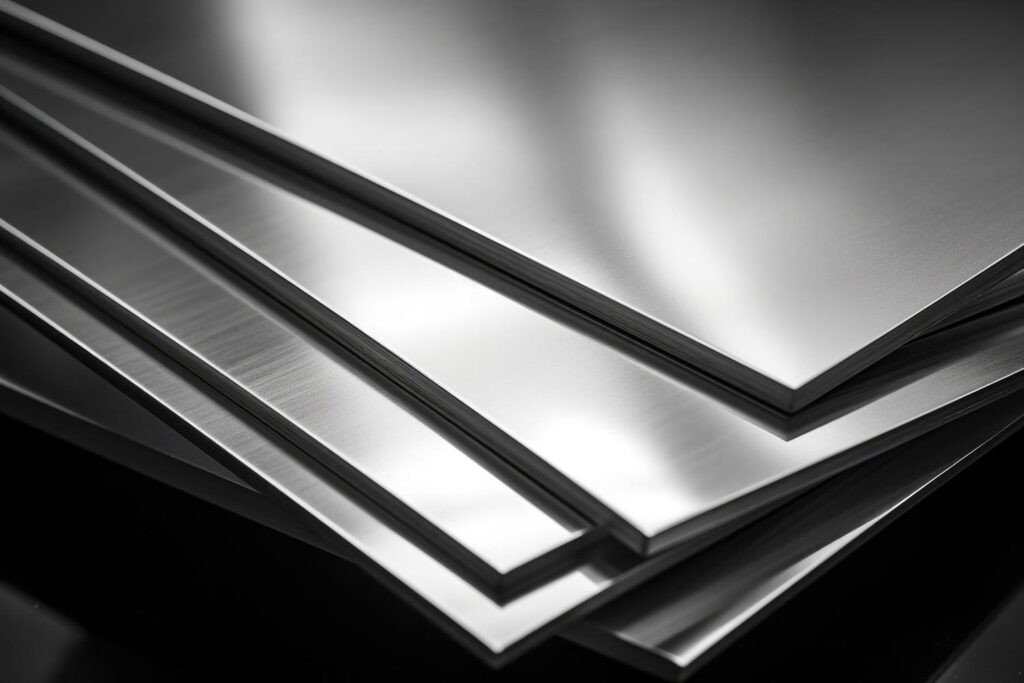
In precision engineering, construction, and industrial maintenance, even the smallest misalignment can lead to performance issues, vibration, or long term equipment damage. This is where stainless steel shims play a critical role by ensuring accurate spacing, leveling, and alignment across applications.
Based on real project experience across machinery installation and structural setups, this guide explains how stainless steel shims work, the different types available, key selection factors, and their practical applications.
Stainless steel shims are thin metal components used to fill gaps, correct tolerances, and align parts accurately. They are placed between mating surfaces to ensure proper fit, load distribution, and dimensional stability.
Because of their strength and durability, precision shims made from stainless steel are widely used where accuracy and long service life are essential.
Understanding shim types helps ensure the right product is selected for the job. Each type serves a specific functional and installation need.
Flat shims have uniform thickness and are used for basic spacing and alignment. They are ideal for applications with predictable gaps and even load distribution.
Installers often rely on flat stainless steel shims for machinery leveling and structural alignment.
Slotted shims feature an open side that allows installation without removing bolts or shafts. This significantly reduces downtime during alignment corrections. In maintenance heavy environments, slotted stainless steel shims are preferred for their convenience and efficiency.
Laminated shims consist of peelable layers that allow precise thickness adjustment on site. They eliminate the need for stacking multiple shims. For high accuracy installations, laminated stainless steel shims offer unmatched control and precision.
For projects that demand precise alignment and dependable load support, sourcing certified shims in UAE ensures consistent thickness, corrosion resistance, and long term performance for industrial and construction use.
Custom shims are manufactured to specific dimensions, shapes, and thickness requirements. They are used when standard sizes do not meet project needs. Many engineers specify custom stainless steel shims for complex or critical applications.
Selecting the correct shim involves more than choosing a thickness. Experienced professionals evaluate multiple technical and environmental factors to ensure performance and safety.
Load Bearing Capacity: The shim must withstand static and dynamic loads without deformation. Heavy equipment and structural uses require strong and stable metal shims.
Shim Thickness and Tolerance Accuracy: Precise thickness ensures correct alignment and prevents uneven stress. High tolerance precision shims are essential in rotating machinery.
Operating Environment: Exposure to moisture, chemicals, or temperature extremes affects material performance. Corrosion resistant shims are vital in harsh environments.
Stainless Steel Grade: Grade 304 suits general industrial use, while grade 316 performs better in marine or chemical conditions. Choosing the right grade improves durability.
Surface Contact and Fit: Full contact between surfaces ensures even load distribution. Poor fit can lead to vibration and premature wear.
Installation Constraints: Limited access or time sensitive installations benefit from slotted or laminated designs. These options reduce downtime and labor effort.
Vibration and Movement: Continuous vibration demands shims that retain dimensional stability. High precision stainless steel shims maintain alignment under motion.
Compliance and Standards: Many industries require certified components. Using approved industrial shims ensures safety and regulatory compliance.
For precise thickness control and accurate alignment, laminated shims are widely used in machinery and structural installations. Many professionals source these from trusted accushim suppliers in UAE to ensure accurate tolerances, reduced downtime, and reliable performance.
Applications of Stainless Steel Shims
Stainless steel shims are used to align motors, pumps, compressors, and gearboxes. Proper alignment reduces vibration, bearing wear, and energy loss. Maintenance teams rely on industrial stainless steel shims during equipment installation and preventive maintenance.
In heavy duty machinery and high vibration environments, stainless steel shims provide excellent strength and corrosion resistance. Selecting a reliable SS shims supplier helps maintain alignment accuracy and extend equipment service life.
In steel structures and precast installations, shims help level beams, columns, and base plates. This ensures even load transfer and structural stability.
Contractors often use structural shims to achieve precise leveling during erection.
Automotive assemblies require extremely tight tolerances. Shims are used in engines, suspension systems, and braking components. Because of their strength, stainless steel shims perform reliably under vibration and temperature changes.
In aerospace and precision manufacturing, accuracy is critical. Shims are used to maintain exact spacing in assemblies where tolerances are minimal. Here, high precision shims ensure safety and performance under extreme conditions.
Stainless steel shims deliver measurable performance and safety advantages across industrial, construction, and precision engineering applications. Their value becomes especially clear in long term and high load environments.
Selecting the correct shim requires understanding both the application and the operating environment. Thickness accuracy, load capacity, and material grade all matter.
Experienced engineers focus on shim thickness tolerance to ensure alignment remains stable under operational stress and temperature changes.
Accurate measurement is essential before installation. Feeler gauges, micrometers, and laser alignment tools are commonly used to determine exact gaps. During installation, surfaces must be clean and flat so the shim alignment remains consistent and load distribution is even.
Stainless steel shims are precision metal spacers used for alignment, leveling, and load support in machinery and construction, offering high strength, corrosion resistance, and long service life across industries.
Stainless steel shims are used to fill gaps, align parts, and level surfaces in mechanical and structural applications. They help maintain accurate tolerances and stable load transfer.
304 stainless steel is ideal for general use, while 316 stainless steel is better for corrosive or outdoor environments. The choice depends on exposure conditions.
Shims should be placed on clean, flat surfaces after accurate measurement. Proper installation ensures even load distribution and stable alignment.
Stainless steel is an alloy containing chromium that resists corrosion and offers high strength. It is widely used for its durability and long service life.
Stainless steel shims play a vital role in achieving accurate alignment, stable load distribution, and long term performance across industrial and construction applications. Choosing the right type, grade, and thickness helps reduce equipment wear, improve safety, and ensure reliable operation in demanding environments.
If you are sourcing precision shims or need expert guidance for industrial, structural, or machinery applications, Al Sakeena Building Materials & Electricals Trading supplies high quality stainless steel shims trusted by professionals across construction, engineering, and industrial sectors.
Contact the team today to request a quote and get expert support for your project requirements.
Discover guides on all hardware, building materials, and electrical products for your next project.
— 5 Signs Your Cutting Tool Needs Replacement: Spot early wear indicators to maintain precision, safety, and productivity.
— Micrometers vs Calipers: What’s the Difference?: Precision tools compared to help you choose the right measuring instrument.
— Top Benefits of Non-Ferrous Metals for Industrial Use: Key advantages of non-ferrous metals in industrial applications.
— Different Types of Electrical Accessories and Their Uses: Overview of common electrical accessories and their uses.
— What Are Welding Gauges? Types, Uses, and How They Work: Basics of welding gauges and their inspection role.