Your One-Stop Shop for Engineering, Electromechanical & Construction Tools


Your One-Stop Shop for Engineering, Electromechanical & Construction Tools
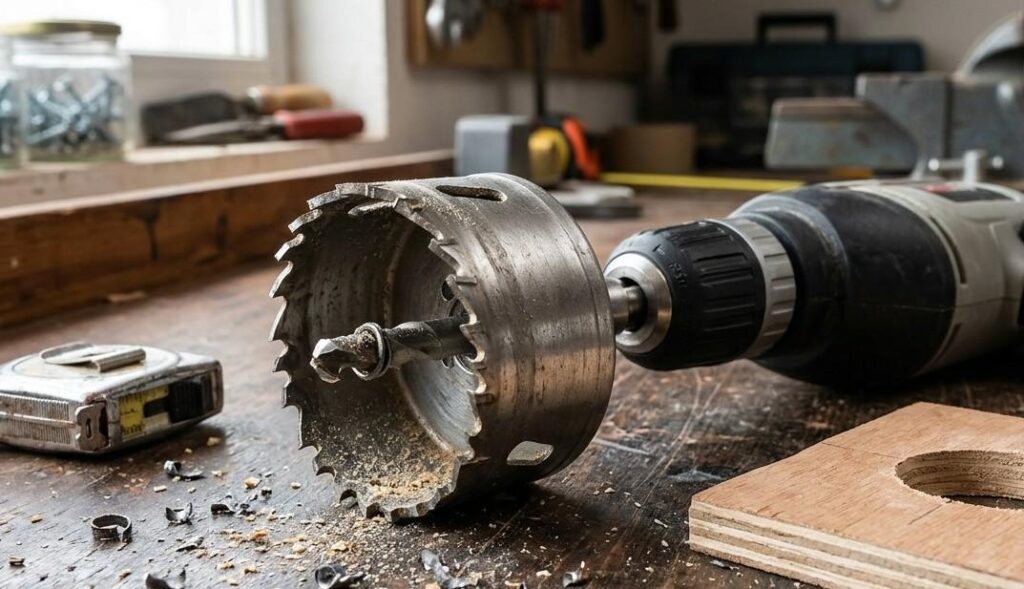
A hole saw cutter is one of the most practical tools you can have on a job site or in a workshop. Whether you are routing cables through a wall, fitting a tap to a sink, or cutting openings for downlights in a ceiling, a hole saw gets the job done cleanly and efficiently where a standard drill bit simply cannot reach.
This guide covers everything you need to know about hole saw cutters, from how they work to which type suits your specific material and application.
A hole saw is a cylindrical cutting attachment that fits onto an electric or cordless drill and creates a large circular hole in a material. It only cuts around the outer edge of the circle, which means less effort is needed compared to cutting through the full surface area the way a regular drill bit does.
Most hole saw designs include a central pilot bit that sits in the middle of the cylinder. This pilot bit touches the material first and keeps the cutter from sliding around, so you get a clean and accurately placed hole every time.
The walls of a hole saw are kept thin on purpose so the teeth do not create too much friction against the material as they spin. As the drill rotates, the teeth cut a circle and the removed material collects inside the hollow tube of the saw body.
When that material builds up and slows the cut down, you simply stop, clear the debris out through the slots on the side of the saw body, and carry on. Many hole saws also have an ejector spring fitted around the central pilot bit that pushes the plug of waste material out automatically so you do not have to stop as often.
The type of hole saw you need depends on what material you are cutting. Using the wrong type on the wrong material leads to slow cutting, rough edges, and a shorter tool life. Here are the main types and what they are each built to handle.
Bi-Metal Hole Saws
Bi-metal hole saws are the most widely used type and the one most people reach for first. They are made from two types of steel, a tough flexible body with a hardened high-speed steel cutting edge, which makes them capable of cutting through wood, plastic, plasterboard, and light metals without any issues. They are a solid all-round choice for everyday trade and home improvement work.
TCT (Tungsten Carbide Tipped) Hole Saws
TCT hole saws have carbide-tipped teeth that stay sharp far longer than standard teeth, especially when cutting through stainless steel, fibreglass, or other tough materials that wear down regular teeth quickly. They cut faster, generate less heat, and last significantly longer in demanding or high-volume work environments. If you are cutting metal regularly, a TCT hole saw is worth the investment.
Diamond-Edged Hole Saws
Diamond-edged hole saws look different from the rest because they have no teeth. The cutting rim is coated with industrial diamond particles that slowly grind through the material rather than chipping away at it. This makes them ideal for ceramic tiles, porcelain, glass, and stone where a toothed cutter would crack or shatter the surface the moment it made contact. Water is usually applied during the cut to keep the temperature down and protect both the tool and the material.
Carbon Steel Hole Saws
Carbon steel hole saws are the lightest and most affordable option in the range. They are suited to softer materials like plasterboard, thin PVC sheeting, foam panels, and lightweight boarding. They are a practical choice for simple home tasks like cutting conduit openings or cable entry holes where the material offers little resistance and a heavy-duty cutter would be overkill.
Masonry Hole Saws
Masonry hole saws are built specifically for concrete, brick, block, and stone. The teeth are spaced further apart than on other types so that broken material can fall away freely without clogging the saw, and the tips are usually diamond or carbide to withstand the hardness of the material. These are the tool to reach for when you need to cut pipe penetrations or ventilation openings through walls and floors.
Getting the size right is just as important as choosing the right type. A hole that is too small means the fitting will not go through, and a hole that is too large leaves gaps that are difficult to seal properly. Measure the outer diameter of whatever you are fitting before you select your hole saw size.
| Hole Saw Diameter | Common Application |
|---|---|
| 14 mm | Cable routing and small wiring runs |
| 16 mm | Small electrical conduits |
| 20 mm | Pipe installation and water supply lines |
| 22 mm | Electrical back boxes and conduit fittings |
| 25 mm | Conduit connectors and junction points |
| 29 mm | Cable entry holes through walls and panels |
| 32 mm | PVC push-fit pipe installation |
| 35 mm | Electrical installations and data cabling |
| 38 mm | General-purpose drilling for trade applications |
| 44 mm | Plumbing waste pipes and conduit runs |
| 51 mm | Soil pipe openings and drainage points |
| 57 mm | Ventilation system outlets |
| 64 mm | Large conduit and ducting openings |
| 76 mm | Drain pipes and bathroom hardware fittings |
| 89 mm | HVAC duct connections and air handling units |
| 102 mm | Large ventilation holes in ceilings and walls |
| 127 mm | Industrial installations and oversized pipework |
Allow a few millimetres of clearance beyond the exact diameter of your fitting so it slides through without needing to be forced.
Wood and Engineered Timber
Bi-metal hole saws work well on solid timber, plywood, and MDF for most standard jobs. When you are cutting engineered wood products that generate a lot of heat and fine dust, such as particleboard or high-density MDF, a TCT hole saw is the better option because the carbide tips hold up far longer under those conditions.
Metal and Stainless Steel
For a reliable holesaw cutter supplier covering metal fabrication and construction needs, TCT hole saws are the right choice for steel panels, stainless steel sheets, aluminium sections, and similar metals. The carbide tips handle the heat and abrasion that metal cutting produces, which means fewer tool changes and better results on each hole.
Plastic and PVC
Bi-metal and carbon steel hole saws both cut through PVC pipes, plastic conduit, and acrylic sheeting without much trouble. The main thing to watch when cutting plastics is drill speed. Running the drill too fast generates heat that melts the material around the cut edge and leaves a rough, deformed finish instead of a clean circle.
Ceramics and Tile
Diamond-edged hole saws are the only type that should be used on ceramic tiles, porcelain, and glass. Any other type of hole saw will crack or chip the tile surface as soon as the teeth engage. Keep the speed low and apply water to cool the cut if you are working through multiple tiles in one session.
Masonry and Concrete
Masonry hole saws with diamond or carbide tips are designed for cutting through brick, block, and concrete. These cuts take more time than cutting through softer materials and the saw needs to be cleared of debris more frequently to keep the cut moving at a steady pace.
Good technique makes the difference between a clean result and a rough or damaged hole. These are the key steps to follow before and during the cut.
Drill Power to Use
A cordless drill of at least 14V is suitable for thin or soft materials. For anything thicker or harder, including masonry and dense hardwood above 50mm, a corded drill with higher torque is the safer and more reliable choice.
The spacing and pattern of the teeth on a hole saw affects how fast it cuts and how clean the finished edge looks.
Varied pitch teeth are spaced at uneven intervals around the cutting edge. This reduces vibration during the cut, helps waste material clear out of the hole faster, and puts less overall wear on the tool. Varied pitch designs are well suited to general use across different materials.
Fine pitch teeth sit closer together and produce a smoother, cleaner cut edge. They are the preferred choice when you are working in metal and the quality of the hole edge matters as much as the cutting speed.
Always wear safety glasses, a dust mask suited to the material you are cutting, and close-fitting work gloves before you start. Loose clothing, open cuffs, and hanging jewellery should be removed or secured because they can catch on the spinning saw and cause a serious injury.
If the saw jams or binds during a cut, turn the drill off immediately. Do not try to force it free while the drill is still running. Clear the blockage, check that the saw is sitting straight in the material, and restart the cut at a slower speed.
A hole saw cutter is a versatile and essential tool across electrical installation, plumbing, joinery, HVAC, and construction work. Selecting the right type for your material, matching the diameter to your fitting requirements, and following correct drilling technique will consistently deliver clean and accurate results whether you are on a professional job site or working through a home improvement project.
For genuine hole saw cutters, expert product guidance, and dependable supply support, trust Al Sakeena Building Materials and Electricals Trading.
Visit our website or contact our technical sales team today for professional recommendations on the right hole saw for your specific application.
Discover guides on all hardware, building materials, and electrical products for your next project.