Your One-Stop Shop for Engineering, Electromechanical & Construction Tools


Your One-Stop Shop for Engineering, Electromechanical & Construction Tools
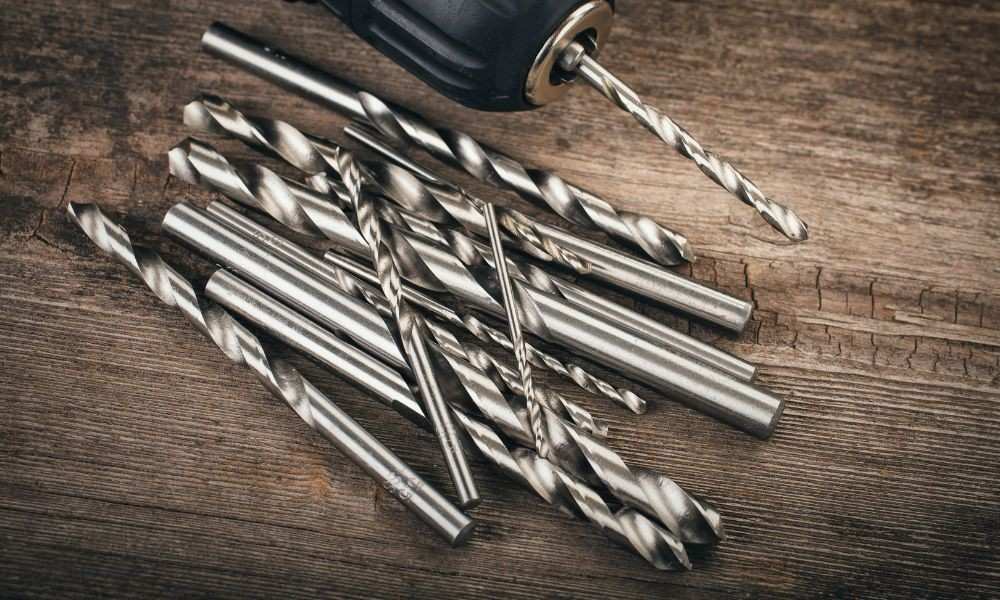
In industrial machining, fabrication, and metalworking environments, cutting tools are at the heart of productivity and quality. From CNC machining centers to manual workshops, the condition of your tools directly affects accuracy, safety, and operating costs. Ignoring early warning signs of wear often leads to poor surface finish, machine damage, and unexpected downtime.
Based on real-world workshop experience and industry best practices, this guide explains the 5 most reliable signs your cutting tool needs replacement, helping you make informed decisions before performance drops or failures occur.
Using worn tools may seem cost-effective in the short term, but in practice it leads to higher scrap rates, longer cycle times, and increased stress on machines and operators. Monitoring cutting tool replacement intervals is a standard practice in professional manufacturing facilities because it protects both product quality and equipment longevity.
Cutting tools rarely fail without warning. In professional machining and fabrication environments, wear develops gradually and shows up through performance changes, quality issues, and operational inefficiencies.
Factors such as cutting speed, material hardness, cooling methods, and tool coating all influence wear rates. By understanding these early indicators, manufacturers can plan cutting tool replacement proactively, reduce scrap, and prevent costly unplanned downtime.
The following signs are the most reliable indicators used across industrial workshops and CNC machining facilities.
One of the earliest and most overlooked indicators of tool wear is declining efficiency. If a tool requires noticeably more force to cut the same material it handled easily before, wear has already started.
This happens because worn cutting edges lose sharpness, increasing friction between the tool and workpiece. Over time, this leads to overheating and accelerated wear. Continuing to use a dull tool negatively affects industrial cutting tools performance and shortens machine life.
Professionals monitor this closely because consistent tool wear indicators allow planned replacement instead of emergency stoppages.
A clear sign that a tool has reached the end of its usable life is a visible drop in part quality. Even small amounts of wear can result in unacceptable finishes, especially in precision machining.
In sectors such as automotive, oil and gas, or aerospace fabrication, dimensional inaccuracies caused by worn tools often lead to rejected components. Monitoring surface finish issues helps operators identify when a tool is no longer fit for production.
Replacing tools at the right time ensures consistent accuracy and avoids costly rework.
Physical inspection remains one of the most reliable methods for identifying when a tool should be replaced. Even with modern monitoring systems, experienced machinists regularly check tools for visible damage.
Operating with damaged cutting tools significantly increases the risk of sudden failure. Tool breakage during operation can damage workpieces, fixtures, and even machine spindles. In high-speed applications, it also presents a serious safety hazard.
Routine inspection helps prevent downtime caused by unexpected tool failure.
If tools are breaking more often or lasting far less than expected, replacement should be immediate. Shortened tool life is a strong indicator that tools are operating beyond their effective service range.
Frequent breakage disrupts production schedules and increases consumable costs. Experienced operators track cutting tool failure rates to identify patterns and schedule replacements before productivity suffers.
Replacing tools proactively leads to more predictable operations and better cost control.
When worn tools remain in use, downtime often increases gradually before becoming a major issue. Machines require more adjustments, operators intervene more frequently, and cycle times increase.
These inefficiencies directly affect profitability. In many cases, the cost of delayed production far exceeds the price of a new tool. Addressing manufacturing downtime early ensures smooth operations and consistent output.
There is no universal lifespan for cutting tools, as it depends on material type, cutting parameters, and operating conditions. However, most professionals follow these guidelines:
Understanding when to replace cutting tools is essential for maintaining high production standards and avoiding costly disruptions.
Timely replacement delivers immediate and measurable benefits across operations.
High-quality metal cutting tools maintain consistent performance, allowing teams to focus on output rather than troubleshooting. For CNC machining, fabrication, and heavy-duty applications, explore our range of cutting tools built to meet industrial performance standards.
Worn cutting tools reduce accuracy, increase downtime, and raise costs. Learn the five key signs that indicate when a cutting tool needs replacement to maintain productivity, quality, and safe machining operations.
Cutting tools should be replaced when cutting efficiency drops, surface finish deteriorates, or cutting forces increase. Timely replacement helps prevent machine damage and unplanned downtime.
The six modes include flank wear, crater wear, built-up edge, chipping, plastic deformation, and catastrophic breakage. Each mode affects tool life, accuracy, and machining stability.
Cutting tool care involves proper storage, routine inspection, correct cutting parameters, and effective cooling or lubrication. Following these steps extends tool life and ensures consistent performance.
Worn tools increase cycle times, cause poor surface finish, and lead to higher scrap rates. Replacing tools on time improves productivity and maintains machining quality.
Recognizing the early signs of cutting tool wear is essential for maintaining machining accuracy, operational safety, and production efficiency. From reduced cutting performance to visible damage and rising downtime, timely replacement helps prevent costly failures and ensures consistent output across industrial applications.
Adopting a proactive tool replacement strategy not only protects your machines but also improves product quality and overall profitability.
If you’re looking for dependable cutting tools and expert guidance for machining, fabrication, and industrial operations, Al Sakeena Building Materials & Electricals Trading supplies high-quality cutting solutions trusted across manufacturing, engineering, and industrial sectors.
Discover guides on all hardware, building materials, and electrical products for your next project.